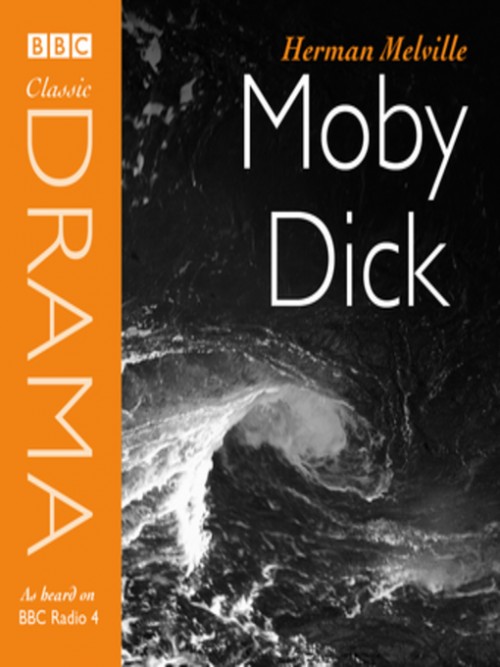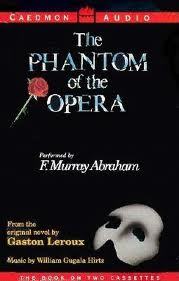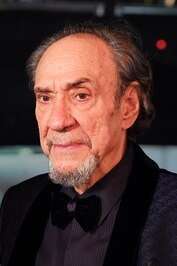
25 Published BooksF. Murray Abraham
F. Murray Abraham is an American actor whose career has stretched across stage, film, and television with a mix of bold choices and unexpected turns. He rose to international prominence with his portrayal of the calculating composer Antonio Salieri in Amadeus, a performance that earned him an Academy Award and a Golden Globe for Best Actor. The role remains a defining moment in his work, yet it sits within a much broader artistic life built on persistence, curiosity, and a deep commitment to craft.
Abraham began on the stage, working first in regional productions before making his Broadway debut in The Man in the Glass Booth. He went on to create an extensive body of theatrical work that includes Shakespeare, Chekhov, Beckett, and new American plays. His performances in Uncle Vanya and The Merchant of Venice earned him Obie Awards, and his return to Broadway in the revival of It’s Only a Play brought him a Drama Desk nomination. Throughout his stage career he moved easily between classical roles and contemporary comedies, always displaying a keen sense of timing and a commanding presence.
His film work started with small roles in the 1970s, followed by memorable appearances in Serpico and Scarface. After Amadeus he continued to take diverse supporting and character parts, showing up in large scale productions and independent films alike. Notable credits include The Name of the Rose, Mighty Aphrodite, Finding Forrester, Inside Llewyn Davis, and The Grand Budapest Hotel. He also embraced voice acting, contributing to animated films such as Isle of Dogs and How to Train Your Dragon: The Hidden World.
Television later became a significant part of his career. He earned strong acclaim for his role as intelligence operative Dar Adal in Homeland, which brought him multiple Emmy nominations. He also appeared in Louie, The Good Wife, Mythic Quest, Moon Knight, and The White Lotus, the last of which earned him further Golden Globe and Emmy nominations. His television work revealed a talent for characters who mix authority with unpredictability, allowing him to explore new territory late in his career.
Across decades of performance, Abraham has shown a willingness to reinvent himself, returning often to the stage while continuing to seek challenging roles on screen. His career reflects steady dedication rather than a single moment of triumph, and he has remained one of the rare actors equally at home in theater companies, Hollywood films, and modern streaming series.